Spotting a counterfeit filter: five checks you can do on the loading dock
A counterfeit can look almost identical. Media, end-cap adhesive and the bypass valve are the hardest things to fake — here are five checks that need no instruments.
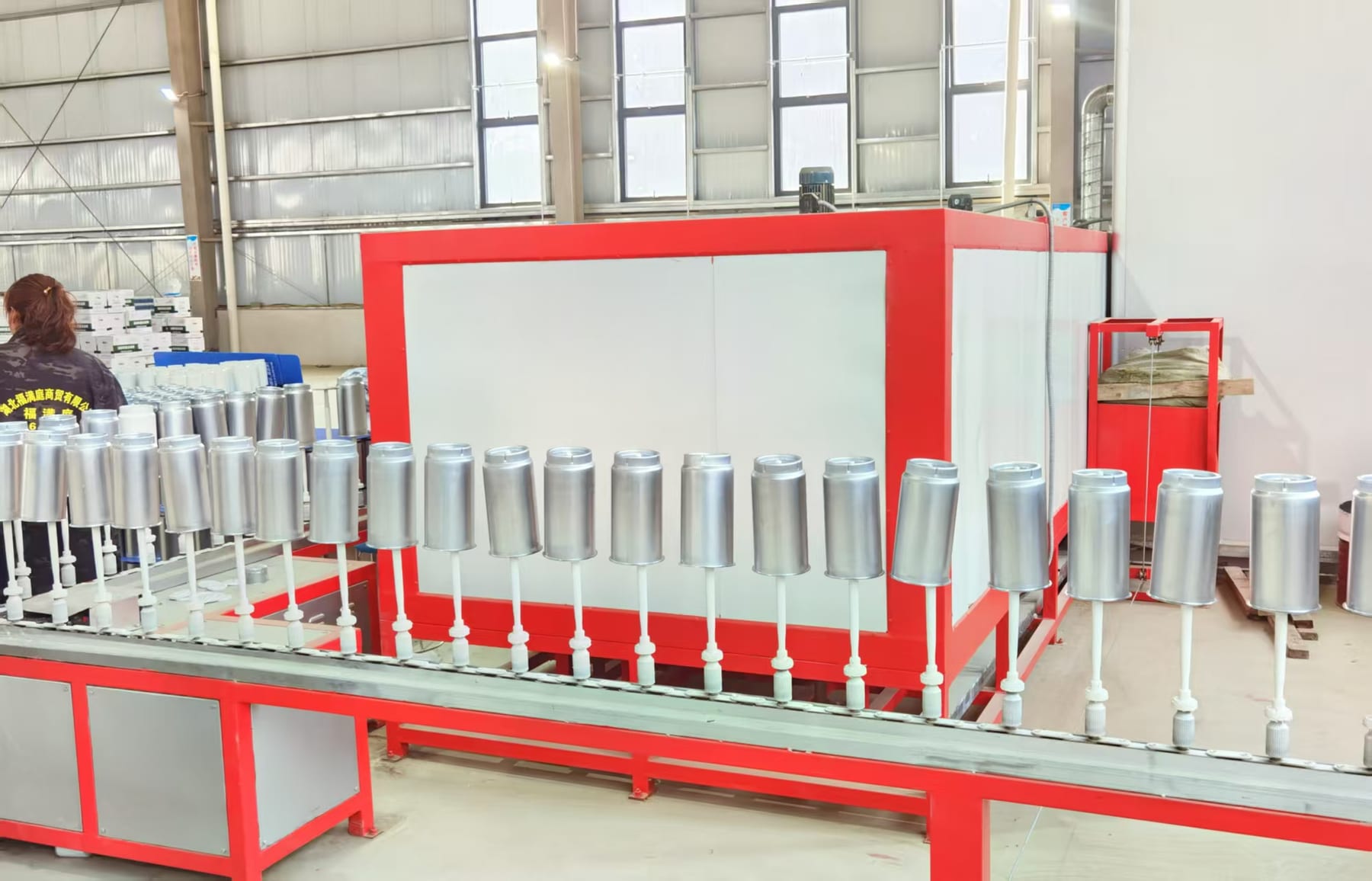
A filter is a classic case of appearance not determining performance. A counterfeit can get the printing, packaging and even the anti-counterfeit label close, but media fibre structure, end-cap adhesive resistance and bypass valve cracking pressure need real materials and real process — expensive to fake and the easiest place to catch one out.
Check 1: pleat count and evenness
Hold the element to the light. Genuine pleats are evenly spaced, crisp and free of collapse or bunching. Counterfeits save on media by cutting pleat count by 10–20%, or by uneven, partly glued pleats. Fewer pleats means less area, which means faster pressure rise and shorter life.
Check 2: end-cap adhesive colour and hardness
Genuine adhesive cures evenly with consistent colour and feels tough rather than brittle or spongy under a fingernail. Cheap adhesive softens and sheds after long exposure to hot oil, and the shed fragments block oil galleries — more dangerous than the filter simply failing.
Check 3: seal material and rebound
Fold the seal in half and release. A genuine seal rebounds quickly with no whitening or cracking. Cheap nitrile hardens in the cold and stops sealing, which shows up as “the new filter still weeps” — often misdiagnosed as an installation problem.
Check 4: bypass valve cracking pressure
The bypass valve decides whether the engine or system is protected when the element clogs. Too low and dirty oil bypasses continuously; too high and flow starves when the element blocks. This needs proper equipment, but a substitute is to press the valve disc by hand and compare spring feel against a known-genuine part. Noticeably softer is a warning sign.
Check 5: batch and packaging traceability
Batch number, production date and anti-counterfeit code on genuine packaging should map to real production records. Photograph the batch number on receipt so a problem can be traced quickly and judged as one-off or batch-wide. Counterfeits often repeat batch numbers, print poorly, or omit them entirely.
A filter that is 30% cheaper usually saves on media area, adhesive temperature resistance or seal material — exactly the three things that decide engine life.
Need help applying this to your machine?
Send the part number or machine model and we will check it for you.
Commonly ordered in Industrial & Precision Elements
Keep reading
How often should you change a construction machine air filter? Stop using the handbook hours
The same excavator can get twice the filter life in a factory yard as in a quarry. The reliable trigger is restriction, not hours. Here is a practical method and a field checklist.
3 μm, 10 μm or 25 μm hydraulic filters — picking wrong costs more than it saves
Finer is not automatically better: finer media means higher pressure drop, shorter life and more energy use. The goal is matching filtration rating to the system’s target cleanliness level.
China VI truck fuel filtration: why China V part numbers no longer apply
China VI engines run higher common-rail pressure with tighter injector clearances, so fuel cleanliness and water separation requirements are much stricter. Reusing China V filters can cost you a full set of injectors.