3 μm, 10 μm or 25 μm hydraulic filters — picking wrong costs more than it saves
Finer is not automatically better: finer media means higher pressure drop, shorter life and more energy use. The goal is matching filtration rating to the system’s target cleanliness level.
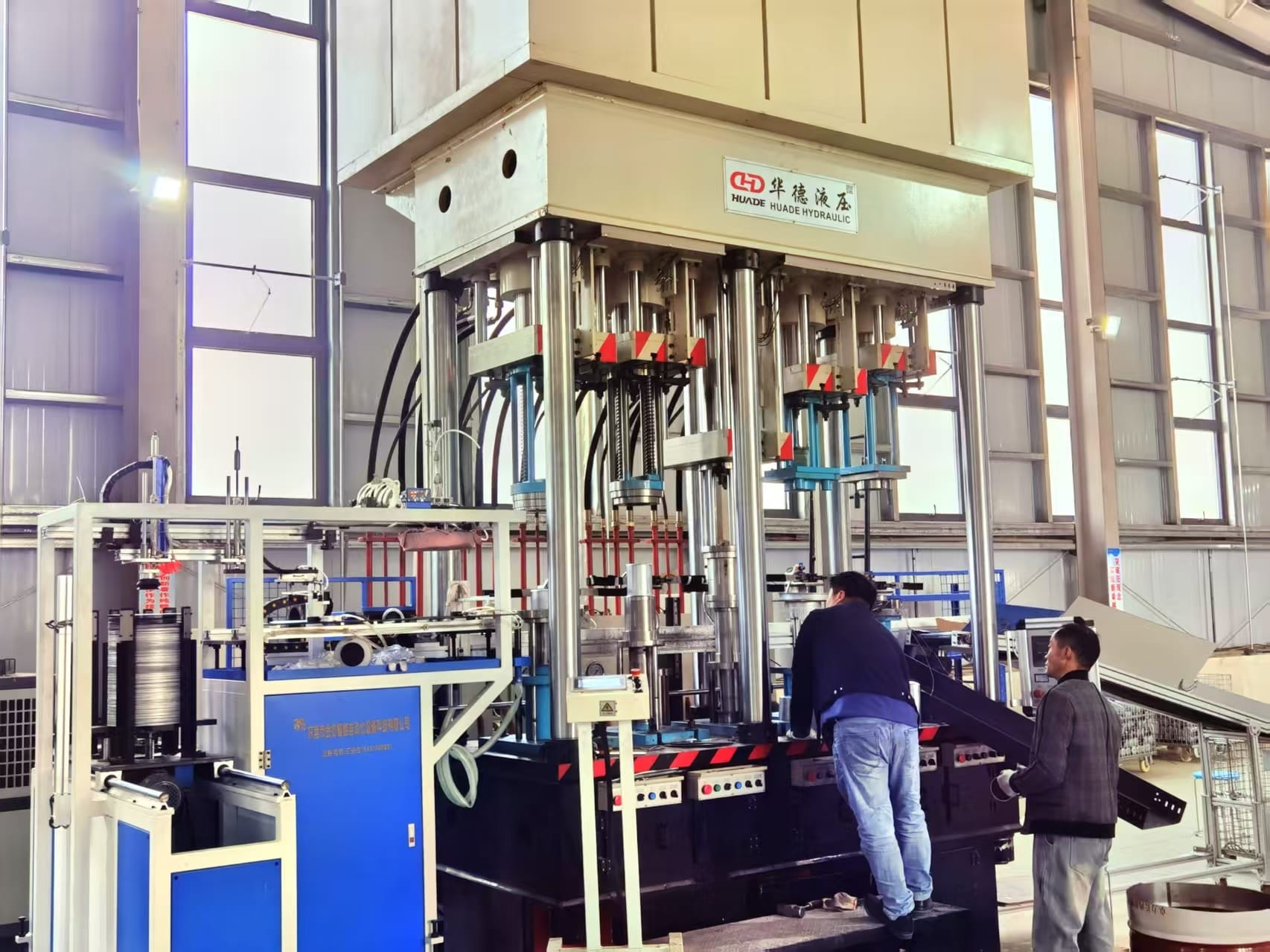
When replacing hydraulic filters, many buyers reach for the finest rating available, assuming it is safest. The usual outcome is a rapid rise in pressure drop, frequent bypass valve opening and dirty oil going straight around the element — no filtration benefit, and a higher bill.
What a micron rating actually means
A nominal rating such as “10 μm” usually means the element captures a certain proportion of particles at that size, and definitions vary between manufacturers. The stricter expression is the beta ratio: β₁₀(c) = 200 means 200 particles of 10 μm upstream for every one downstream. Relying on the nominal figure alone is risky — look at the beta ratio as well.
Rules of thumb by system type
| System type | Suggested rating | Typical target cleanliness |
|---|---|---|
| High-pressure servo / proportional | 3–5 μm | ISO 16/14/11 or tighter |
| Injection moulding, machine tools | 5–10 μm | ISO 18/16/13 |
| Construction machinery main hydraulics | 10 μm | ISO 19/17/14 |
| Return line filtration | 10–20 μm | ISO 20/18/15 |
| Suction strainer | 80–150 μm (pump protection) | Not a cleanliness control measure |
Three practical decision points
- Confirm the OEM-specified rating first. Going coarser than OEM abandons your warranty; going finer means recalculating pressure drop and bypass settings.
- Look at dirt-holding capacity, not just rating. At the same 10 μm, a larger media area and better pleat design can more than double service life.
- Verify with oil analysis. If ISO 4406 particle counts meet target over three consecutive samples, the selection is right; if they never do, go finer or add a filtration stage.
Rating is only one parameter — pressure drop, dirt-holding capacity and bypass settings must be considered together. The goal is stable compliance, not the smallest number on the label.
Need help applying this to your machine?
Send the part number or machine model and we will check it for you.
Commonly ordered in Industrial & Precision Elements
Keep reading
How often should you change a construction machine air filter? Stop using the handbook hours
The same excavator can get twice the filter life in a factory yard as in a quarry. The reliable trigger is restriction, not hours. Here is a practical method and a field checklist.
Spotting a counterfeit filter: five checks you can do on the loading dock
A counterfeit can look almost identical. Media, end-cap adhesive and the bypass valve are the hardest things to fake — here are five checks that need no instruments.
China VI truck fuel filtration: why China V part numbers no longer apply
China VI engines run higher common-rail pressure with tighter injector clearances, so fuel cleanliness and water separation requirements are much stricter. Reusing China V filters can cost you a full set of injectors.